 DMARC MADE EASY
Securing Insurance Communications - Explore challenges and how to overcome
The insurance industry deals with a vast amount of sensitive information, including policyholder data, claim details, and financial transactions. Email is a critical channel for communications with clients, brokers, and regulatory bodies. However, this reliance on email also exposes insurance companies to significant risks such as phishing, email spoofing, and data breaches. Ensuring robust email security is essential to protect sensitive information, maintain client trust, and comply with industry regulations.

See it in Action
Why DMARC Essential for Securing Insurance Communications
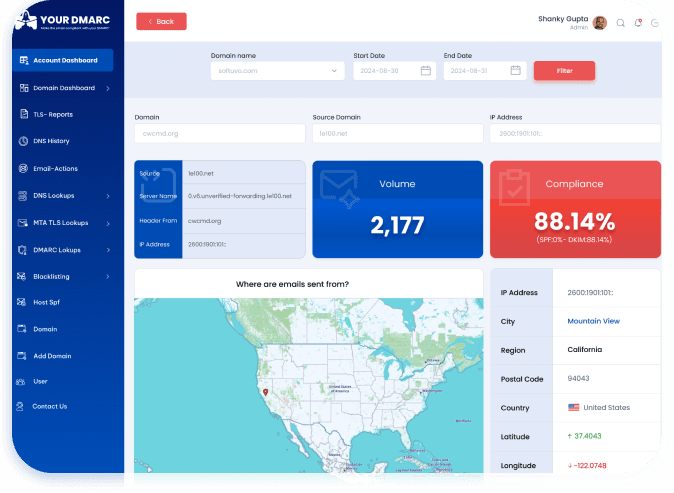
DMARC (Domain-based Message Authentication, Reporting & Conformance) is vital for protecting email communications in the insurance sector. By implementing DMARC, insurance companies can authenticate their email domains, reducing the risk of phishing and spoofing attacks that could compromise client data and damage trust. DMARC ensures that only legitimate emails are sent from your domain, helping to maintain the integrity of insurance communications and protect sensitive information.
DMARC LOOKUPS
Challenges Faced by Insurance Companies in Cybersecurity
Regulatory Compliance
Insurance carriers are often finding themselves susceptible to regulatory obligations for protecting data, which is only becoming more exhaustive and difficult to manage as regulations change and grow.
Sensitive Data Protection
As insurance companies tend to manage voluminous amounts of sensitive customer information - such as personal and financial information, they are prime targets for cyberattacks and data breaches due to the sensitivity of the information being stored.
Phishing and Fraud Prevention
Insurance companies are frequent targets of phishing and fraud schemes, and therefore require protections that financial institutions would require to safeguard against these threats and protect the integrity of any communications.
Legacy Systems and Integration
Many insurance companies utilize outdated legacy systems that are time-intensive and difficult to integrate with modern cybersecurity solutions, making them increasingly susceptible to attacks and harder to secure in response to threats.
How DMARC Can Benefit You
Discover how DMARC can help prevent unauthorized communication sent on behalf of your insurance business. Watch our animated video featuring the fictional NP Insurance company and learn about the aftermath of a phishing attack. Gain insights into the steps they took to mitigate future incidents.
DMARC LOOKUPS
Enhancing Security and Trust with yourDMARC
Enhance security, ensure compliance, and build client trust with yourDMARC, protecting sensitive data and supporting seamless insurance operations.

Strengthen Protection Against Email Threats
yourDMARC enhances security, guarding the insurance industry from email-based threats and attacks.

Ensure Regulatory Compliance
yourDMARC supports adherence to regulatory standards, reducing the risk of data breaches and associated penalties.

Maintain Client Trust and Safeguard Information
By securing email communications, yourDMARC preserves client trust and protects sensitive insurance data, ensuring smooth operations.
Ensuring Compliance with DMARC Standards.
Insurance companies must adhere to stringent regulatory and compliance standards, including regulations such as HIPAA (Health Insurance Portability and Accountability Act) and GDPR (General Data Protection Regulation). yourDMARC supports compliance with these regulations by offering robust email security solutions that protect client data and ensure the confidentiality of communications. Our platform helps align your email practices with regulatory requirements, reducing the risk of non-compliance and associated penalties.
Fortifying insurance companies with specialized compliance tools to safeguard client information and ensure secure communication.

Tailored Solutions for Insurance
yourDMARC delivers specialized solutions designed to meet the unique needs of the insurance industry, whether managing claims, policies, or client interactions.

Advanced DMARC Tools
Our platform offers advanced tools for managing and enforcing DMARC policies, ensuring secure email communications across all insurance operations.

Enhanced Security and Compliance
yourDMARC adapts to your specific requirements, helping you secure communications, protect sensitive data, and maintain regulatory compliance.

DMARC LOOKUPS
The Essential DMARC Platform for Every Insurance Company
DMARC is a vital tool for insurance companies to protect their brand reputation and customer data. It provides a comprehensive solution to prevent email spoofing, phishing, and other email-based threats. Here's why a DMARC platform is essential for insurance companies:
1
Brand protection
Prevents email spoofing and maintains trust with customers.
2
Customer data security
Protects sensitive information and ensures compliance with regulations.
3
Enhanced email deliverability
Improves email reputation and reduces spam complaints.
4
Fraud prevention
Detects and blocks fraudulent emails, protecting against financial loss.
KEY FEATURES
Key Features of yourDMARC for the Insurance Industry

Automated Compliance Monitoring
Continuous monitoring of email compliance to ensure adherence to industry regulations and standards, reducing risk and ensuring secure communications.

Risk Assessment Tools
Advanced tools to identify and assess potential vulnerabilities in your email practices, providing actionable insights to enhance security.

Fraud Prevention
Robust mechanisms to detect and prevent email fraud, protecting sensitive customer information and maintaining trust in your insurance services.

Enhanced Data Encryption
Advanced encryption features to secure email communications and protect confidential client data from unauthorized access.
BEGINNING WITH DMARC
Beginning with DMARC: A Guide for Clients
yourDMARC offers a tailored security solution designed to thwart fraudulent activities and prevent compromised accounts from sending malicious messages on behalf of your insurance business. By leveraging yourDMARC advanced features, you can enhance your email deliverability while safeguarding your domain and employees.
Frequently Asked Questions
DMARC is essential for protecting insurance email communications from cyber threats, preventing domain impersonation, and securing sensitive client and policyholder data.
DMARC authenticates emails sent from your domain, preventing cybercriminals from using your company’s name to send fraudulent emails that could deceive clients or compromise data.
yourDMARC offers a user-friendly platform with seamless integration capabilities, making it suitable for insurance companies of all sizes and complexities.
Yes, yourDMARC supports compliance with HIPAA, GDPR, and other regulations by providing secure email practices that protect client data and ensure confidentiality.
Emails Analyzed
0DMARC Reports Processed
0Sending Sources Checked
0Domains Scanned
0Used and Trusted by Industry Leaders


‘yourDMARC secures emails, saves our time. Our small healthcare practice struggled with email security. yourDMARC's DMARC/DKIM combo and real-time alerts are a lifesaver! HIPAA compliance is a breeze now, and their support team is top-notch. ‘


“yourDMARC responds quickly to the needs of our business. I've worked with many companies and what is most impressive and unique about yourDMARC is their ability to act as a true partner with aligned interests and not just one party to a transitional relationship. ”
Nick Kitchin CEO at Cumulus Energy Storage

Schedule a Demo
Discover more about yourDMARC and book a demo with sales.


Choose the Right Plan
Explore our flexible plans and pricing for perfectly fit solutions.

Learn more
Explore our latest blogs for expert insights on email spoofing prevention.


As a global team, we’re always available. Let’s talk!


© 2026 yourDMARC

Download to read the eBook
