
Scenario-Based Learning: Why SOA Checks Matter for DNSSEC
Imagine this: You’ve enabled DNSSEC to protect your domain from tampering, but emails aren’t reaching inboxes, and your website loads inconsistently. You check your DNS settings and realize something is wrong. Could an incorrect SOA record be the culprit?
Let’s dive into why SOA record validation is essential for DNSSEC domains and how you can ensure everything runs smoothly.
Why SOA Records Matter in a DNSSEC Environment
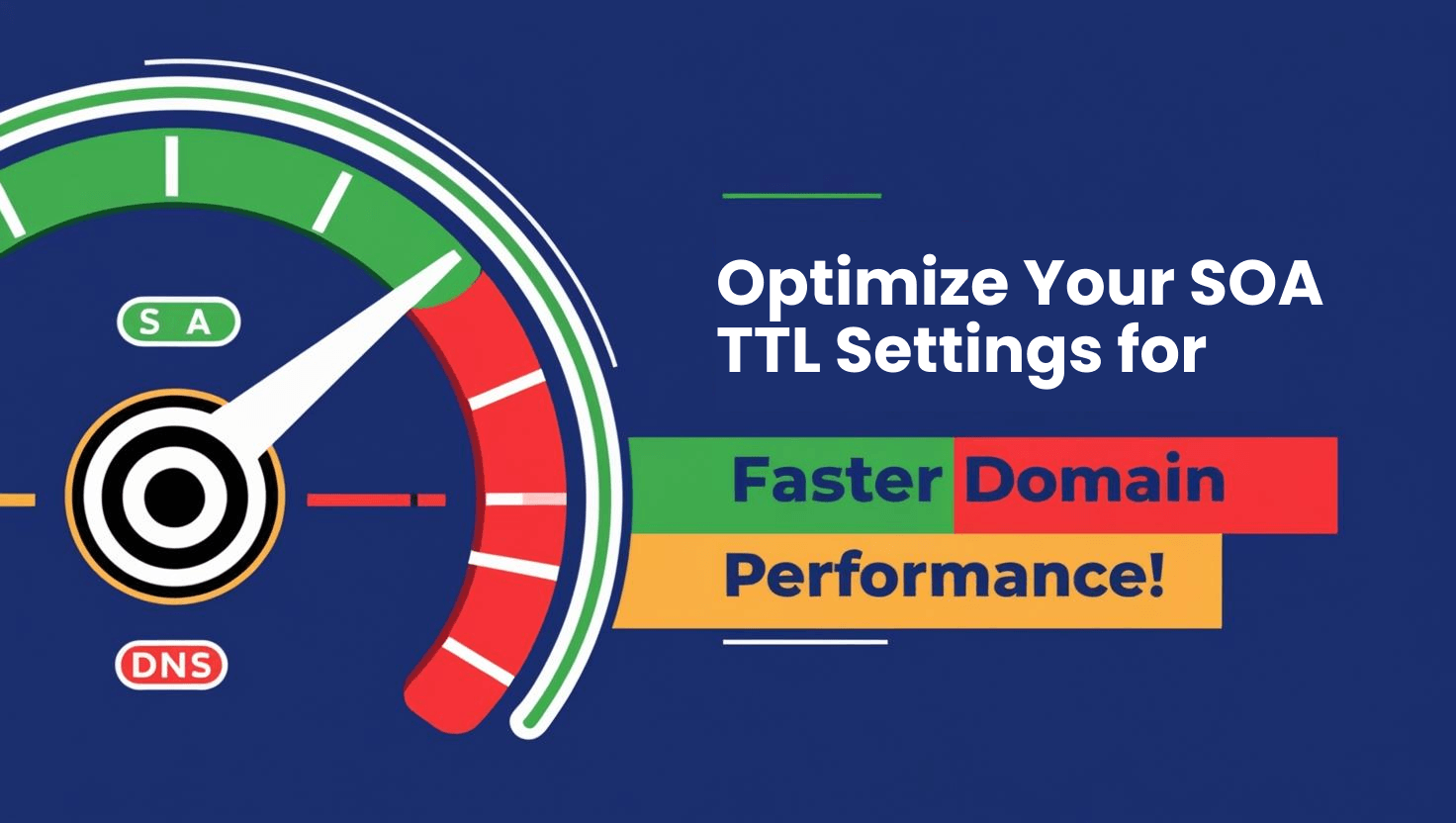
The Start of Authority (SOA) record defines essential parameters for a domain’s DNS zone, including:
| SOA Parameter | Purpose |
|---|---|
| Primary Name Server | The authoritative server for the domain |
| Admin Email | Contact for DNS-related issues |
| Serial Number | Version control for DNS changes |
| Refresh Interval | Time for secondary servers to check for updates |
| Retry Interval | Time to wait before retrying a failed zone transfer |
| Expire Time | How long secondary servers should keep using old records if updates fail |
| Minimum TTL | Time a failed lookup should be cached before retrying |
When DNSSEC is enabled, SOA records become critical because they affect the propagation and integrity of DNSSEC-protected zones. If the SOA record is misconfigured, it could cause:
✅ Delayed DNS updates ✅ Inconsistent DNSSEC validation ✅ Increased risk of failed domain resolutions
Step-by-Step Guide: Checking SOA Records for DNSSEC Domains
Step 1: Query Your SOA Record
Use the following command to check your SOA record:
bashCopyEditnslookup -type=SOA yourdomain.com
OR
bashCopyEditdig SOA yourdomain.com +short
🔹 What to check? Ensure the serial number is updating correctly after changes.
Step 2: Verify DNSSEC Signatures
To confirm that the SOA record is properly signed, use:
bashCopyEditdig +dnssec SOA yourdomain.com
🔹 What to check? Look for the RRSIG (Resource Record Signature), which confirms DNSSEC validation.
Step 3: Validate Serial Number Consistency
Compare the serial number across different name servers:
bashCopyEditdig @ns1.yourdomain.com SOA yourdomain.com dig @ns2.yourdomain.com SOA yourdomain.com
🔹 What to check? The serial numbers should match. If not, secondary servers may not be updating correctly.
Step 4: Check for Expired Records
Use an online SOA lookup tool or run:
bashCopyEditwhois yourdomain.com
🔹 What to check? Ensure that refresh and expire intervals are set correctly to prevent stale records.
Common SOA Misconfigurations in DNSSEC Domains & Fixes
| Issue | Impact | Fix |
|---|---|---|
| SOA serial number not incrementing | Delayed DNS updates | Update the serial number whenever DNS records change |
| Mismatch in SOA records across servers | DNS inconsistency | Force a manual zone update on secondary servers |
| Low refresh interval | Frequent queries, increased load | Set an optimal refresh time (e.g., 3-6 hours) |
| Short expire time | Risk of losing DNS data if updates fail | Increase expiration time to at least a week |
FAQs on SOA Records and DNSSEC
1. Can an incorrect SOA record break DNSSEC validation?
Yes, if the SOA record is outdated or mismatched across DNS servers, DNSSEC validation may fail, causing security warnings or site inaccessibility.
2. How often should I update the SOA serial number?
Every time a DNS record is modified, the serial number should be incremented to ensure proper propagation.
3. What is the best SOA refresh interval for DNSSEC-protected domains?
A recommended refresh interval is between 3 to 6 hours to balance quick updates and DNS stability.
Final Thoughts
Regularly checking your SOA records ensures that DNSSEC-enabled domains remain secure, consistent, and properly propagated. Whether you're managing a business-critical domain or tightening security, SOA record validation is a must!
🔹 Need an easier way to check your SOA records? Try our SOA Lookup Tool at YourDMARC for instant insights!